Substrates
Printing substrates are the materials that are printed on in a printing process. They serve as the surface or medium that receives the ink or toner and determines the overall quality and appearance of the final printed output. There are many different types of printing substrates, each with its own unique properties, characteristics, and applications.
In addition to paper, there are also synthetic substrates, which are made from materials such as plastic, vinyl, and polyester. These substrates are highly durable, water-resistant, and can be used for a variety of applications, including signage, banners, and outdoor advertising.
Metallic substrates, such as aluminium and stainless steel, are used for printing on products like nameplates, logos, and other types of industrial markings. These materials offer high durability and resistance to wear, making them ideal for harsh environments.
Textile substrates, such as cotton, polyester, and silk, are used for printing on fabrics, such as t-shirts, banners, flags, and other types of textile products. Printing on fabric substrates requires special inkjet or dye-sublimation printing processes to ensure long-lasting, vibrant colours.
Overall, the choice of printing substrate depends on the specific requirements of the printing project, including the type of printing process, the desired quality and finish, the intended use and environment, and the budget. With a wide range of printing substrates available, it’s essential to work with a professional printing service to select the right substrate for your project and achieve the best possible results.
Dibond
Dibond is a brand name for a type of aluminium composite material (ACM) that consists of two thin aluminium sheets bonded to a solid polyethylene core. It is a lightweight and durable material that is often used in a wide range of applications. Here are some common uses of Dibond:
Signage: Dibond is commonly used for outdoor and indoor signs. It is weather-resistant, rigid, and has a smooth surface that is perfect for printing graphics or applying vinyl lettering.
Exhibition displays: Dibond is often used to create exhibition displays, such as pop-up displays, exhibition stands, and event signage. It can be cut and shaped to create bespoke shapes and can be easily mounted to create eye-catching displays.
Interior design: Dibond is a popular material for creating interior design elements such as wall panels, ceiling tiles, and decorative screens. It has a modern, sleek look and can be painted or laminated to match any décor.
Photography and fine art printing: Dibond is also used as a substrate for high-end photographic prints and fine art reproductions. It provides a smooth and stable surface for mounting prints, and its rigidity prevents the print from warping or bending.
Industrial applications: Dibond is sometimes used in industrial applications that require a lightweight, strong, and durable material. It is used in transportation, aerospace, and marine industries for applications such as panelling, cladding, and reinforcing structures.

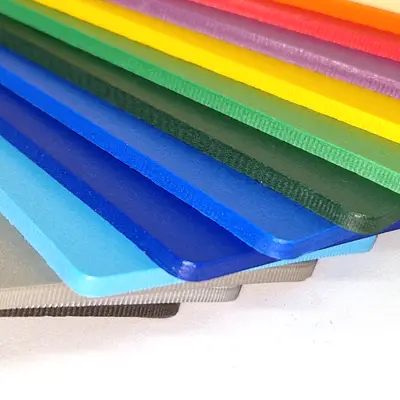
Foamex
Foamex is a brand name for a type of expanded PVC (polyvinyl chloride) foam board. It is a lightweight and durable material that is often used in a wide variety of applications. Here are some common uses of Foamex:
Signage: Foamex is commonly used to make indoor and outdoor signs. It is a popular choice because it is weather-resistant and can be easily printed on using digital or screen printing techniques.
Exhibition displays: Foamex is often used to create exhibition displays, such as pop-up displays, exhibition stands, and event signage. Its lightweight properties make it easy to transport and set up.
Point of sale displays: Foamex is also used to create point of sale displays for retail environments. It can be used to create eye-catching displays and can be cut and shaped to fit any space.
Interior design: Foamex is a popular material for creating interior design elements, such as wall panels, ceiling tiles, and 3D art. It is easy to work with and can be painted or laminated to match any decor.
Packaging: Foamex is sometimes used in packaging applications as a protective layer or cushioning material. It can be cut and shaped to fit any product and provides good shock-absorption properties.
Correx
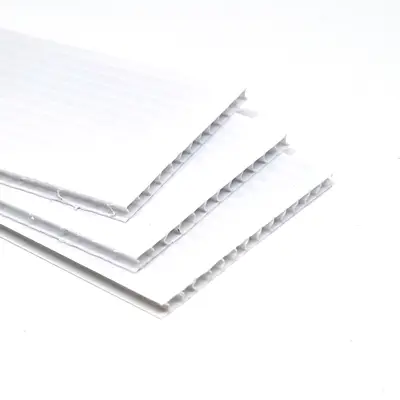
Correx is a brand name for a type of corrugated plastic sheet made from polypropylene. It is a lightweight and durable material that is often used in a wide range of applications. Here are some common uses of Correx:
Signage: Correx is commonly used to create temporary or short-term outdoor signs, such as estate agent signs or event signs. It is weather-resistant, lightweight, and can be easily printed on using digital or screen printing techniques.
Packaging: Correx is sometimes used in packaging applications as a protective layer or cushioning material. It is lightweight, easy to cut and shape, and provides good shock-absorption properties.
Exhibition displays: Correx is often used to create exhibition displays, such as pop-up displays, exhibition stands, and event signage. Its lightweight properties make it easy to transport and set up.
Construction site hoardings: Correx is a popular material for creating construction site hoardings. It is weather-resistant, lightweight, and can be easily printed on with branding or safety messages.
Arts and crafts: Correx is also used in arts and crafts projects. It can be easily cut and shaped, and is a popular material for creating cosplay costumes, props, and sets.
Perspex
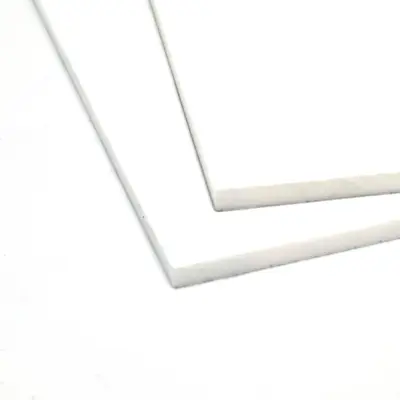
Perspex is a brand name for a type of acrylic plastic that is commonly used as a lightweight, transparent or translucent alternative to glass. It is a versatile material that has a wide range of applications, including:
Signage: Perspex is commonly used for making illuminated signs, channel letters, and other types of outdoor and indoor signage.
Glazing: It can be used for windows, skylights, and other architectural glazing applications where safety and transparency are required.
Display cases: Perspex is often used for creating display cases for museums, exhibitions, and retail stores. It can be easily shaped and formed to fit specific objects and can be tinted or colored to match the surrounding environment.
Point of sale displays: Perspex is used for creating point of sale displays for products and merchandise, such as brochure holders, counter displays, and floor-standing displays.
Furniture: Perspex can be used to create modern, minimalist furniture pieces such as chairs, tables, and shelving units.
Artwork: Perspex can be used as a medium for creating artwork and sculpture due to its versatility, translucency, and ability to be shaped and colored.
Let’s work together on your next project!
Get the ball rolling and give us a shout, even if you just want to pick our brains that’s fine by us!